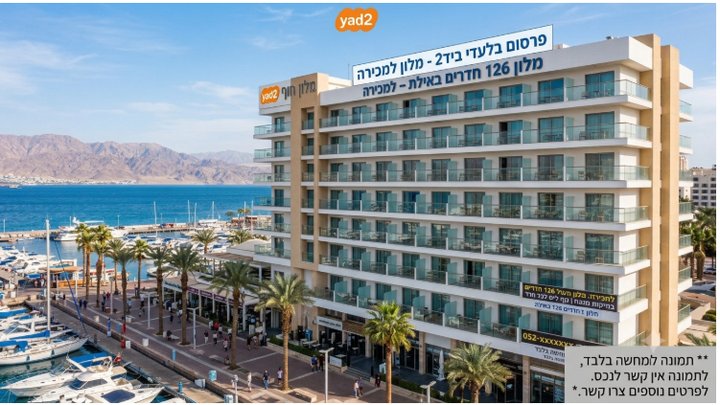
Selling Your Eilat Hotel: A Guide to Valuing and Marketing Active Properties or Empty Assets
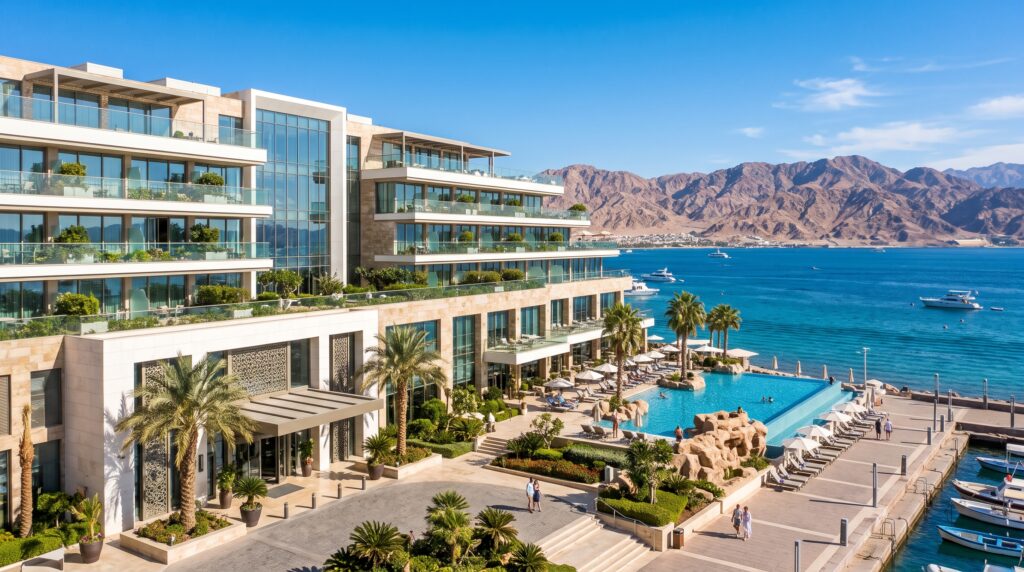
Navigating the commercial real estate market in a premier tourist destination requires a highly specialized approach. As Moshe Yakubov, a professional with 12 years of experience in real estate brokerage, I have seen firsthand how the Eilat property market operates. Eilat attracts a unique blend of domestic and international real estate investors seeking high-yield opportunities in a thriving resort city. Selling a commercial hospitality asset is vastly different from selling a residential villa or a standard retail space. Property owners frequently ask me the critical question: how do you sell a hotel business in a way that maximizes value while ensuring a smooth transition? The answer lies in understanding the specific nuances of the hospitality sector, from operational valuations to targeted marketing strategies. This comprehensive guide will walk you through the essential steps of preparing, valuing, and marketing your hotel property in Eilat.
Understanding the Eilat Hospitality Market
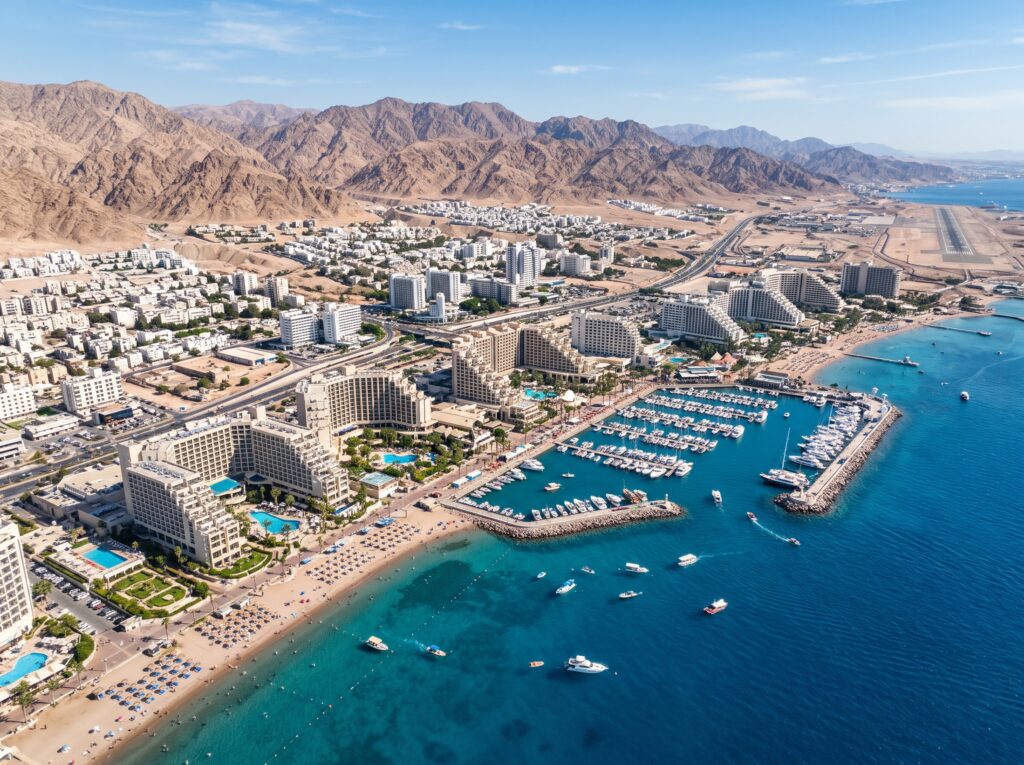 Eilat serves as Israel's southern gateway, offering year-round sunshine and a strategic location by the Red Sea. This makes it a highly desirable location for hospitality investments. However, the market is dynamic and influenced by various global and local tourism trends. To successfully market a hotel, sellers must understand the broader travel ecosystem. Industry professionals rely on robust data to gauge market health. For example, the US Travel Association emphasizes that "U.S. Travel’s research team closely monitors the travel industry to provide members with timely, reliable data and analysis." While this specifically tracks the American market, the principle remains identical for Eilat: reliable data and trend analysis are the foundation of a successful commercial real estate transaction. Investors want to see occupancy rates, seasonal trends, and future growth projections before committing to a purchase. Eilat's status as a Free Trade Zone significantly impacts the bottom line for hotel operators. The exemption from standard national consumption taxes makes operational costs and guest spending dynamics unique compared to hotels in other major cities. Investors are acutely aware of this advantage, and it must be highlighted in any sales prospectus. Furthermore, the city's ongoing infrastructure developments, such as the expansion of international flight routes and new entertainment complexes, continuously elevate the region's profile on the global stage.
The Core Dilemma: Selling an Active Hotel or a Vacant Property
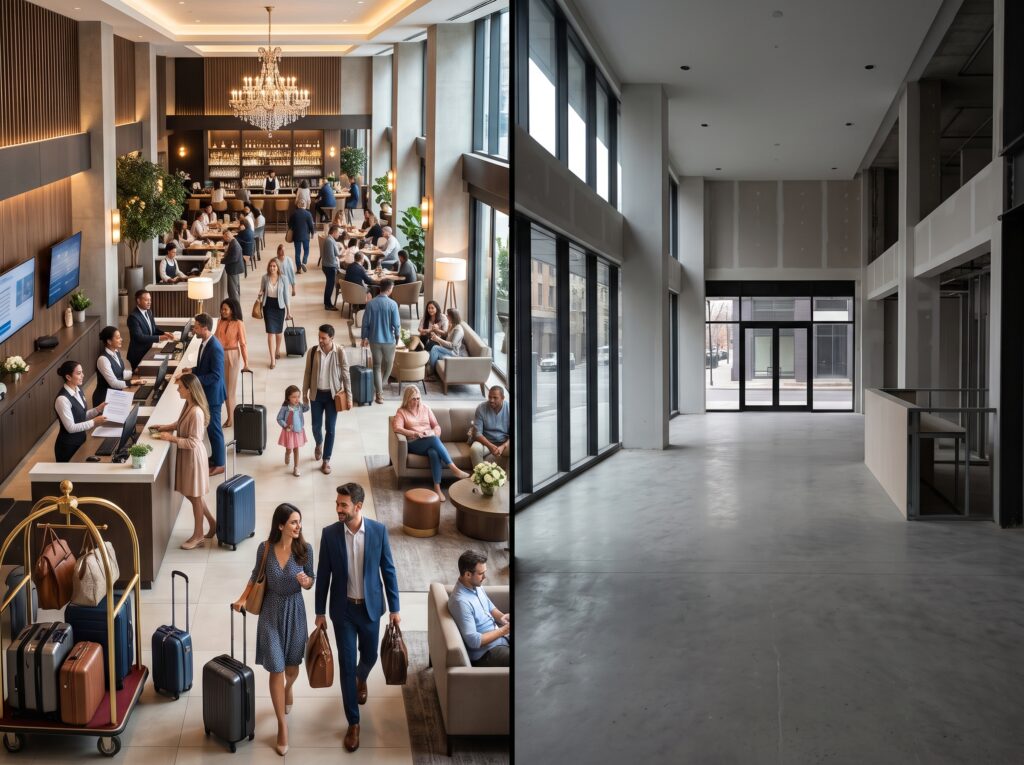 One of the first strategic decisions a seller must make is determining the operational status of the property at the time of sale. The choice between selling an active hotel or a vacant property fundamentally changes the target audience and the valuation method. An active hotel is a living, breathing business. It comes with a proven track record, existing cash flow, and an established brand reputation. Buyers interested in active hotels are typically looking for immediate returns and a turnkey operation. On the other hand, a vacant property appeals to developers, visionaries, or established hotel chains looking to implement their own brand standards without the baggage of existing operations.
Comparing Active vs. Vacant Hotel Sales
| Feature | Active Hotel Sale | Vacant Property Sale |
|---|---|---|
| Target Audience | Yield-seeking investors, hospitality groups | Developers, value-add investors, new brands |
| Valuation Basis | Historical revenue, NOI, Cap Rates | Real estate value, zoning potential, location |
| Marketing Focus | Financial performance, brand equity, staff | Repositioning potential, structural assets |
| Transition Speed | Requires complex operational handover | Faster physical handover, slower to generate income |
| Due Diligence | Extensive (financials, contracts, liabilities) | Focused on physical structure and legal zoning |
The Turnkey Solution: Selling a Hotel with All Equipment and Staff
When a seller opts for selling a hotel with all equipment and staff, the transaction transforms from a simple real estate deal into a comprehensive corporate merger or acquisition. This approach is highly attractive to foreign investors or domestic funds that want to bypass the setup phase and start generating revenue from day one. However, this method requires meticulous preparation. Selling an operational business means the buyer will inherit the current ecosystem. Here are the critical components that must be managed:
Marketing a Vacant Hospitality Asset
If you are selling a vacant property, the marketing narrative shifts entirely. A vacant hotel in Eilat is a blank canvas. The marketing strategy should highlight the structural integrity of the building, the prime location, and the untapped potential of the asset. To attract developers or investors looking to establish a new brand, you must provide architectural blueprints, zoning rights, and expansion possibilities. Can the property be converted into luxury residential apartments? Can additional floors be added? Is there space to develop a commercial retail front on the ground floor? By answering these questions, you help the buyer visualize the future of the property.
Key Steps in Valuing a Hotel Business
Valuing a commercial hospitality asset is a complex process that goes far beyond standard real estate appraisals. The value is intrinsically tied to the property's ability to generate income. Here are the primary metrics used in the valuation process:
How to Find the Right Buyers for Your Eilat Property
Finding the right buyer for a hotel requires a targeted, often discreet, approach. Unlike residential real estate, placing a public sale sign outside a hotel can cause panic among staff and lead to a drop in future bookings. Therefore, confidentiality is paramount. My approach involves tapping into a curated network of high-net-worth individuals, private equity firms, and international hospitality groups. Marketing materials must be highly professional, usually taking the form of a confidential Information Memorandum (IM). This document provides pre-qualified buyers with all the necessary financial and operational data after they have signed a Non-Disclosure Agreement (NDA). For a more in-depth look at how to structure these marketing campaigns and reach the ideal audience, I highly recommend reviewing our dedicated resource on Selling a Hotel Business in Eilat: Strategies for Hotels and Vacant Properties. This guide provides further insights into positioning your asset in the competitive Israeli market.
Preparing for the Due Diligence Phase
Preparing for due diligence is a critical step in selling a hotel. Buyers will conduct a thorough examination of all aspects of the business, including financial records, legal documents, operational contracts, and property condition reports. Sellers must organize all relevant documentation meticulously to ensure a smooth and efficient process. This includes audited financial statements, tax returns, property deeds, permits, environmental reports, and any existing litigation records. Transparency and accuracy during this phase build trust and can significantly expedite the sale. Any discrepancies or missing information can raise red flags and potentially derail the transaction.
Overcoming Common Pitfalls in Hotel Sales
Selling a hotel can present several challenges. One common pitfall is unrealistic pricing expectations. Sellers often overvalue their property, leading to prolonged market exposure and a lack of serious offers. Another challenge is failing to address deferred maintenance or necessary capital expenditures before listing the property. Buyers will factor these costs into their offer, so it's often more advantageous for the seller to address them proactively. Confidentiality breaches are also a significant risk, as public knowledge of a sale can negatively impact staff morale, guest bookings, and supplier relationships. Engaging an experienced real estate broker specializing in hospitality assets can help navigate these pitfalls, ensuring a strategic and confidential sale process.
The Complete Process: Successfully Selling a Hotel Business
Successfully selling a hotel business in Eilat involves a structured, multi-stage process. It begins with a thorough understanding of the Eilat market and a strategic decision on whether to sell an active or vacant property. This is followed by meticulous preparation, including organizing all financial and operational documentation, and, if applicable, preparing for the transfer of staff and equipment. Valuation is a critical step, utilizing industry-specific metrics to determine a realistic market price. The marketing phase requires a targeted and confidential approach to reach qualified buyers. Finally, navigating the due diligence and negotiation phases with transparency and expertise is essential for a successful closing. With 12 years of experience in real estate brokerage, I am committed to guiding you through each step, ensuring your Eilat hotel property achieves its maximum value.
שאלות ותשובות
Selling a hotel business in Eilat requires a specialized approach focused on maximizing value and ensuring a smooth transition. This process begins with understanding the specific nuances of the hospitality sector, from operational valuations to targeted marketing strategies. Key steps include making a strategic decision on whether to sell an active or vacant property, meticulous preparation of financial and operational documentation, and, if applicable, preparing for the transfer of staff and equipment. Valuation is critical, utilizing industry-specific metrics to determine a realistic market price. The marketing phase demands a targeted and confidential approach to reach qualified buyers, followed by navigating the due diligence and negotiation phases with transparency and expertise for a successful closing.
The choice between selling an active hotel and a vacant property fundamentally alters the target audience and valuation method. An active hotel is a living business with a proven track record, existing cash flow, and an established brand reputation, appealing to buyers seeking immediate returns and a turnkey operation. Its valuation is based on historical revenue, Net Operating Income (NOI), and Capitalization Rates (Cap Rates). Conversely, a vacant property attracts developers, visionaries, or established hotel chains looking to implement their own brand standards. Its valuation is based on real estate value, zoning potential, and location, with marketing focusing on repositioning potential and structural assets.
When selling a hotel with all equipment and staff, the transaction transforms into a comprehensive corporate merger or acquisition. This approach is highly attractive to investors who aim to bypass the setup phase and generate revenue immediately. It demands meticulous preparation, as the buyer will inherit the existing operational ecosystem. Critical components that must be managed include the transfer of existing contracts, employee agreements, and a detailed inventory of all equipment. This method necessitates extensive due diligence focused on financials, contracts, and liabilities to ensure a smooth operational handover and continuity of the business.
When marketing a vacant hospitality asset, the narrative shifts to presenting it as a blank canvas. The strategy should highlight the structural integrity of the building, its prime location, and its untapped potential. To attract developers or investors looking to establish a new brand, sellers must provide architectural blueprints, zoning rights, and expansion possibilities. Key questions to address include whether the property can be converted into luxury residential apartments, if additional floors can be added, or if there is space to develop a commercial retail front on the ground floor. Answering these questions helps buyers visualize the future of the property and its potential uses, attracting those with a development or repositioning vision.
Valuing a commercial hospitality asset is a complex process that extends beyond standard real estate appraisals, as its value is intrinsically tied to its income-generating ability. For an active hotel, primary valuation metrics include historical revenue, Net Operating Income (NOI), and Capitalization Rates (Cap Rates). These metrics provide insight into the property's financial performance and potential returns. For a vacant property, valuation is primarily based on its real estate value, zoning potential, and strategic location. These distinct approaches help determine a realistic market price for the hotel business, whether operational or vacant.
Finding the right buyer for an Eilat hotel property requires a targeted and often discreet approach, as public knowledge of a sale can negatively impact the business. Confidentiality is paramount. The process involves tapping into a curated network of high-net-worth individuals, private equity firms, and international hospitality groups. Marketing materials must be highly professional, typically taking the form of a confidential Information Memorandum (IM). This document provides pre-qualified buyers with all the necessary financial and operational data after they have signed a Non-Disclosure Agreement (NDA), ensuring that only serious and appropriate buyers are engaged in the transaction.
Several common pitfalls can arise when selling a hotel. One significant challenge is unrealistic pricing expectations, where sellers overvalue their property, leading to prolonged market exposure and a lack of serious offers. Another pitfall is failing to address deferred maintenance or necessary capital expenditures before listing the property, as buyers will factor these costs into their offer. Confidentiality breaches also pose a substantial risk, as public knowledge of a sale can negatively impact staff morale, guest bookings, and supplier relationships. Engaging an experienced real estate broker specializing in hospitality assets can help navigate these challenges and ensure a strategic and confidential sale process.
מאמרים קשורים



רוצים להשקיע בנדל"ן באילת?
המומחים שלנו ילוו אתכם לאורך כל הדרך למציאת הנכס המושלם עבורכם, עם שירות אישי ומקצועי.
לתיאום פגישת ייעוץביקורות גוגל
מה הלקוחות שלנו מספרים
ביקורות אמיתיות של לקוחות מ-Google – על הליווי, הזמינות והמקצועיות.


צור קשר
בואו נמצא יחד את הנכס הבא שלכם
השאירו פרטים ונחזור אליכם בהקדם – או התקשרו ישירות.
- תיווך נדל"ן למכירה ולהשכרה
- ליווי וייעוץ בהשקעות נדל"ן
- שיווק נכסים מתקדם
- ניהול נכסים לטווח קצר וארוך
השאירו פרטים ונחזור אליכם
מחפשים נכס, רוצים למכור או להשכיר? ספרו לנו בקצרה.